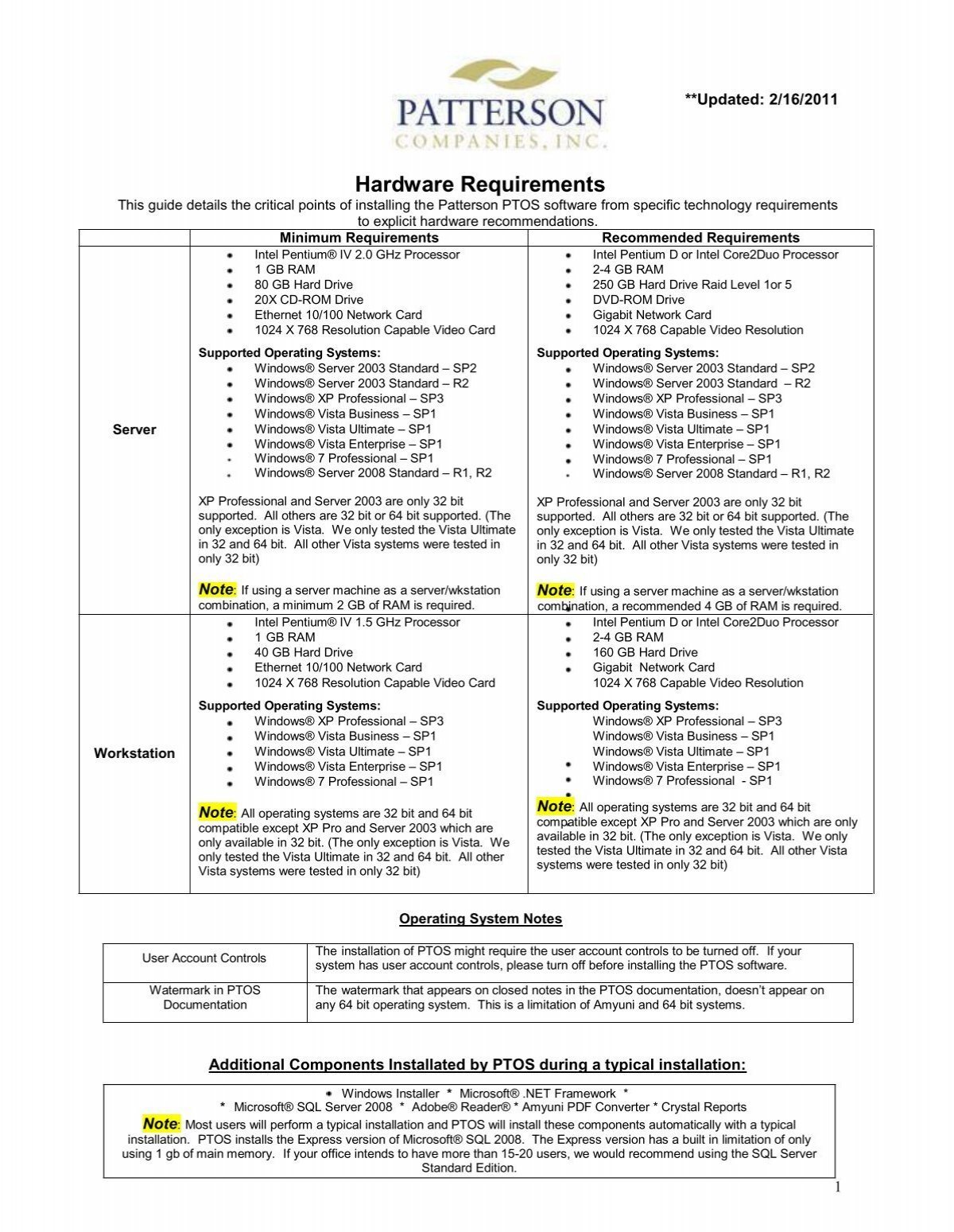
Getting a new computer, whether you’ve just unboxed a gleaming pre-built machine or meticulously assembled one component by component, is always exciting. But that fresh-start thrill can quickly turn to dread if you're staring at a tangle of wires, puzzling over "no signal" errors, or wading through endless software updates. This comprehensive guide isn't just about Hardware Requirements & Setup Guides; it’s your friendly, expert co-pilot for transforming a pile of parts or a sealed box into a personalized, high-performance workstation or gaming rig.
We'll cut through the jargon, sidestep the common pitfalls, and ensure your new PC isn't just running, but running right, optimized for speed, security, and your daily workflow. Think of this as your essential roadmap to a frustration-free setup, tailored for both first-timers and seasoned builders.
At a Glance: Your New PC Setup Checklist
- Initial Connections: Plug in power, monitor (to the graphics card!), keyboard, and mouse first.
- OS Installation & First Boot: Install your operating system (Windows 11 often takes 15-30 mins for the Out-of-Box Experience). Decide between a Microsoft account or a local account for privacy.
- Essential Updates: Immediately run Windows Update, then install critical graphics and chipset drivers from manufacturer websites. This can take 1-3 hours.
- Fortify Security: Configure Windows Security, create a standard user account, and install a password manager.
- Software Essentials: Install your preferred web browser, productivity suite, and other core applications (Ninite.com can automate this).
- Optimize Performance: Remove bloatware, manage startup programs, and fine-tune power settings for a snappier experience.
- Create Backups: Set a System Restore Point and create a Recovery Drive before you dive into heavy usage.
- Troubleshooting Basics: Know how to tackle common issues like "no signal," Wi-Fi drops, or absent audio.
From Components to Computing: Understanding Your Hardware
Before you even think about plugging anything in, understanding the foundational hardware requirements of a PC build is crucial. If you're building a PC, this section is your starting line. If you bought a pre-built, it’s still smart to know what’s under the hood, especially when it comes to connecting things correctly.
The Essential Ingredients: Core PC Components
A modern PC relies on a handful of key components working in harmony. Each plays a vital role in performance, and knowing where they fit helps immensely during assembly or troubleshooting.
- CPU (Central Processing Unit): The "brain" of your computer. Choose between Intel (e.g., Core i5, i7, i9) or AMD (Ryzen 5, 7, 9). Compatibility with your motherboard is paramount.
- Motherboard: The "nervous system" that connects all components. It dictates what CPU, RAM, and storage types you can use.
- RAM (Random Access Memory): Your PC’s short-term memory. More RAM (e.g., 16GB or 32GB) means more programs can run smoothly simultaneously.
- Storage (SSD/HDD):
- M.2 NVMe SSD: The fastest option for your operating system and frequently used programs. These compact drives slot directly onto the motherboard.
- SATA SSD: Still very fast, often used for games or larger applications.
- HDD (Hard Disk Drive): Slower but cheaper, ideal for mass storage of media files.
- GPU (Graphics Processing Unit) / Graphics Card: Essential for gaming, video editing, and other visually intensive tasks. Some CPUs have integrated graphics, but a dedicated GPU offers superior performance.
- PSU (Power Supply Unit): Provides power to all components. Ensure it has enough wattage for your entire system and the correct connectors.
- Case: The enclosure that houses everything. Look for good airflow and compatibility with your motherboard size (ATX, Micro-ATX, Mini-ITX).
- Cooler (CPU Cooler): Keeps your CPU from overheating. Can be an air cooler or an AIO (All-in-One) liquid cooler. Many CPUs come with a basic "stock" cooler.
Building Your PC: A Step-by-Step Assembly Guide
This section is for those embarking on the exciting journey of building their own machine. It's detailed, but remember: expect to backtrack, complications are normal, and a bit of patience goes a long way.
Preparing Your Workspace
Clear a large, flat, well-lit area. Gather your tools:
- Phillips head screwdrivers (#1 and #2)
- Motherboard manual (keep it handy!)
- Zip ties for cable management
- A flashlight (for dropped screws)
- Thermal paste (if not pre-applied to your cooler)
- A cup or magnetic tray for screws
- Your OS installation USB drive
- Band-aids (just in case!)
While anti-static wrist straps are optional, they offer peace of mind, especially in dry environments.
Attaching Core Components to the Motherboard (Outside the Case)
This phase is typically easier before the motherboard is cramped inside the case.
- The CPU:
- Carefully open the CPU socket's metal retention arm and lift the cover.
- Align the small arrow or triangle on your CPU with the corresponding mark on the motherboard socket.
- Gently drop the CPU into place. It should settle without force. If it doesn't, re-check alignment.
- Lower the retention arm and secure it. It might require firm pressure, especially on newer Intel sockets. Never force the CPU into the socket.
- The CPU Cooler:
- Crucial step: Peel off any protective plastic film from the cooler's base plate or pre-applied thermal paste.
- If applying thermal paste manually, a pea-sized dot in the center for AMD, or five smaller dots for Intel CPUs, is generally sufficient. Less is often more.
- Mount the cooler following its specific instructions. Stock coolers typically use push-pins (Intel) or clip-on arms (AMD). Aftermarket coolers often involve a backplate (install before the motherboard is in the case) and screws.
- Connect the CPU fan cable(s) to the
CPU_FANheader on your motherboard. If using an AIO, connect the pump toCPU_PUMPand fans toCPU_FANorSYS_FANheaders.
- The Memory (RAM):
- Consult your motherboard manual for the correct slots to use (typically slots 2 and 4 for two sticks to enable dual-channel performance).
- Open the latches on both ends of the chosen RAM slots.
- Align the notch on the RAM stick with the bump in the slot.
- Push down firmly and evenly on both ends of the RAM stick until it clicks into place and the latches close automatically (or nudge them shut).
- The M.2 SSD:
- These tiny, fast drives are best installed early. Consult your motherboard manual to pick the primary (usually fastest) M.2 slot, often the one closest to the CPU.
- Remove any M.2 heatsink/cover from the slot.
- Remove the small mounting screw (or plastic tab) at the end of the slot.
- Slide the M.2 SSD into the slot at an angle (the gold contacts should disappear).
- Gently push the SSD down flat and secure it with the mounting screw or plastic tab.
- If your motherboard has one, replace the M.2 heatsink (remember to peel off the plastic film from its thermal pad!).
Mounting the Motherboard in the Case
Now, it's time to bring the heart of your system into its home.
- Prepare the Case: Remove both side panels.
- Standoffs: Ensure the brass standoffs (small pillars) are installed in the case holes that match your motherboard's screw pattern. Most cases have some pre-installed; a central standoff helps with alignment.
- IO Shield: If your motherboard doesn't have a pre-attached IO shield (the metal plate for your rear ports), snap it into the cutout at the back of the case before you install the motherboard. Be careful, as edges can be sharp.
- Install the Motherboard: Carefully lower the motherboard into the case, aligning its screw holes with the standoffs and its ports with the IO shield. Screw it down using all available screws.
Adding Power and Storage
- Power Supply (PSU):
- Mount the PSU in its designated spot, usually at the bottom or back of the case.
- If using a modular PSU, connect all necessary cables to the PSU before screwing it into the case. This includes the 24-pin motherboard cable, the 8-pin (or 4+4-pin) CPU power cable, PCIe power cables for the GPU, and SATA power cables for drives.
- Secure the PSU with four screws.
- Route and plug the 24-pin power connector (a large block usually on the right side of the motherboard) and the CPU power connector (top-left of the motherboard) into their respective sockets. Do not forget the CPU power cable – your system won't boot without it.
- SATA Storage (2.5-inch SSDs or 3.5-inch HDDs):
- Mount these drives in their designated bays or brackets within the case.
- Connect one end of a SATA data cable to the drive and the other to a SATA port on your motherboard.
- Connect a SATA power connector from your PSU to the drive.
Installing the Graphics Card (GPU)
This is often the largest component and the most visually impactful.
- Remove the necessary slot covers from the back of your case that align with the topmost PCIe x16 slot on your motherboard.
- Carefully align the graphics card with the PCIe slot. Push it down firmly and evenly until it clicks into place and the retaining latch on the motherboard secures it.
- Screw the GPU bracket(s) to the case to hold it firmly.
- Connect the appropriate PCIe power cables from your PSU to the graphics card. High-end cards may require two or three connectors, or a single 12VHPWR/12V-2x6 cable from newer ATX 3.0/3.1 PSUs.
Finishing Touches: The Last Cable Connections
This is where things can get a bit fiddly, especially the tiny front-panel connectors.
- Case Fans: Plug all case fan cables into
SYS_FANorCHA_FANheaders on your motherboard. - Front Panel USB & Audio: Connect the larger USB 2.0, USB 3.0/3.1/3.2, and HD Audio cables from your case's front panel to their respective headers on the motherboard.
- Tiny Front Panel Connectors: These are for your power button, reset button, power LED, and HDD activity light. Consult your motherboard manual very carefully for the correct pin alignment (usually at the bottom-right). Some cases have a single block that simplifies this. Be gentle when connecting them.
First Power On: The Moment of Truth
You've built it! Now, for the nerve-wracking but exciting first boot.
- Double-Check Everything: Review all your connections, especially power cables and RAM seating.
- External Connections: Plug your PC into a surge protector, connect your monitor (to the graphics card's ports, not the motherboard's if you have a dedicated GPU!), and attach your keyboard and mouse.
- Power Up: Flip the switch on the back of your PSU, turn on your monitor, then press your PC's power button.
Your PC should power on, fans will spin, and hopefully, you'll see a display! Expect it to boot into your motherboard's UEFI/BIOS or show an error about a missing boot device. This is normal.
Cable Management: Aesthetics and Airflow
Once you've confirmed your system boots, take some time for cable management. It improves airflow and makes your build look much cleaner.
- Shut down and unplug the PC.
- Route cables behind the motherboard tray, using zip ties or Velcro straps to bundle them neatly.
- Even 15 minutes of effort makes a huge difference.
Bringing Your PC to Life: Operating System & Drivers
With your hardware humming, the next critical step in your setup guide is to install the operating system and essential drivers. This transforms your collection of parts into a functional computer.
Installing Your Operating System
Most new PCs will run Windows 11. You'll need a USB drive (at least 8GB) with the Windows installation media.
- Create Installation Media: Use Microsoft's Media Creation Tool on another computer to create a bootable Windows 11 USB drive.
- Boot from USB: Insert the USB drive into your new PC. Power on. Your system should automatically boot into the Windows installer. If not, restart, enter your motherboard's BIOS/UEFI (usually by pressing DEL, F2, F10, or F12 during startup), and adjust the boot order to prioritize the USB drive.
- Windows Setup (OOBE - Out-of-Box Experience):
- Follow the on-screen prompts for language, region, and keyboard layout.
- Microsoft Account vs. Local Account: Windows 11 pushes a Microsoft account for cloud sync, recovery, and other features. For maximum privacy, you can create a local account by disconnecting from the internet during setup (press
Shift+F10in command prompt and typeOOBE\BYPASSNROto bypass forced internet connection on Windows 11 Home). You can connect to the internet after setting up the local account. - Privacy Settings: During setup, you'll encounter various privacy toggles (location, advertising ID, diagnostic data, tailored experiences). Disable these unless you specifically need them. You can always change them later.
- The initial setup typically takes 15-30 minutes.
Essential Updates: Windows & Device Drivers
This is arguably the most critical phase for stability and performance, yet often rushed. It can take 1-3 hours, but it's worth every minute.
- Windows Update First: Immediately after Windows is installed and you have an internet connection (Ethernet is ideal for speed and reliability, especially initially), run Windows Update.
- Press
Windows key + Ito open Settings. Go toWindows Updateand click "Check for updates." - Install all available updates, including optional ones. Restart your PC as prompted and repeat the process until no more updates appear. These updates contain crucial security patches and foundational driver improvements.
- Critical Driver Updates: While Windows Update provides basic drivers, the best performance comes from manufacturer-specific drivers.
- Graphics Drivers: Absolutely vital for display quality and game performance. Download the latest drivers directly from NVIDIA, AMD, or Intel's official websites.
- Chipset Drivers: Download these from your motherboard manufacturer's support page. These drivers optimize communication between your CPU, RAM, and other components.
- Network Drivers: If you're experiencing Wi-Fi issues or just want the best speeds, update your network (Ethernet and Wi-Fi) drivers from your motherboard's support page.
- Audio Drivers: Often optional, but updating can resolve sound issues or unlock specific audio features.
- BIOS/Firmware: Generally, only update your BIOS (Basic Input/Output System) if you're experiencing specific hardware issues, upgrading your CPU, or instructed to do so by your motherboard manufacturer. A BIOS update failure can brick your motherboard, so never interrupt it.
Fortifying Your Fortress: Security & Essential Software
Now that your PC is up and running, it’s time to secure it and equip it with the programs you need. Proper security configuration within the first hour can prevent 90% of common malware.
Ironclad Security Setup
- Windows Security Configuration: Windows Defender (now called "Windows Security") is excellent for most users, especially on Windows 11. Ensure real-time protection, cloud-delivered protection, and automatic sample submission are all enabled (Settings > Privacy & security > Windows Security > Virus & threat protection).
- User Account Best Practices:
- If you're using an administrator account for daily tasks, consider creating a standard user account for everyday use. Reserve the administrator account solely for installing software or making system-wide changes. This significantly limits the damage malware can do.
- Set strong, unique passwords or passphrases for all user accounts.
- Essential Security Software:
- Password Manager: Install a reliable password manager like Bitwarden (free and open-source) or 1Password. This is non-negotiable for online security.
- Two-Factor Authentication (2FA): Enable 2FA on all critical online services (email, banking, social media, cloud storage). Use an authenticator app (like Authy or Google Authenticator) or a physical security key.
- Second-Opinion Scanner: Malwarebytes Free is excellent for occasional, on-demand scans to catch anything Windows Security might miss.
Equipping Your PC: Essential Software Installation
Don't just install everything at once. Prioritize the essentials.
- Your Preferred Web Browser:
- Chrome: Broad compatibility, but resource-intensive.
- Firefox: Strong privacy focus, good customization.
- Brave: Built-in ad blocking and privacy features.
- Edge: Microsoft's browser, fast and well-integrated with Windows.
- Productivity Suite:
- Microsoft 365: The industry standard, subscription-based.
- LibreOffice: Free, open-source alternative compatible with Office files.
- Google Workspace (Docs, Sheets, Slides): Cloud-based, great for collaboration.
- PDF Reader: Adobe Acrobat Reader, Foxit Reader, or simply use Microsoft Edge's built-in PDF viewer.
- Cloud Storage:
- OneDrive: Built into Windows, good for basic file sync.
- Google Drive / Dropbox: Popular alternatives for cross-device syncing.
- Communication Tools: Zoom, Discord, Microsoft Teams – depending on your work or social needs.
- Media Player: VLC Media Player handles virtually any audio or video format.
Ninite: Your Software Installation Assistant
For a streamlined installation of many popular programs, visit Ninite.com. Select the programs you want (browsers, media players, utilities, security tools), and Ninite will generate a custom installer that downloads and installs them all automatically, skipping toolbars and extra junk. Save this installer for future use or updates.
Specialized Tools (Optional)
- Gaming: Install Steam, Epic Games Launcher, GOG Galaxy, or specific game launchers. Discord is essential for multiplayer communication.
- Creative Work: Adobe Creative Cloud, GIMP (free image editor), DaVinci Resolve (free video editor).
- Development: Visual Studio Code, Git, Docker, Python/Node.js runtime environments.
- Student Productivity: Notion, Obsidian, OneNote.
Fine-Tuning Your Machine: Performance & Protection
Once the basics are covered, let’s optimize your PC for peak performance and ensure your hard work is protected. This is where your Hardware Requirements & Setup Guides truly pay off, transforming a good setup into a great one.
Unchaining Your PC: Performance Optimization
New computers often come laden with unnecessary software, often called "bloatware," which can slow down performance by 15-25%. A clean installation and smart optimization can make your system feel 40% faster.
- Bloatware Removal:
- Go to
Settings > Apps > Apps & Features. - Sort the list by "Install date" to easily identify pre-installed programs from the manufacturer.
- Uninstall any trial software, sponsored apps, or utilities you don't need (e.g., specific antivirus trials, game demos, redundant utilities). Keep only essential manufacturer utilities like system updaters or fan control software.
- Manage Startup Programs:
- Open Task Manager (
Ctrl+Shift+Esc). - Go to the "Startup" tab.
- Disable any programs that don't need to launch immediately when Windows starts (e.g., Spotify, Skype, Adobe Creative Cloud desktop apps). This significantly speeds up boot times.
- Storage & Power Optimization:
- Disk Cleanup: Search for "Disk Cleanup" in Windows, select your main drive (C:), and run it. You can free up 20-40GB by removing temporary files, old Windows updates, and recycle bin contents.
- Power Plan: Set your power plan to "Balanced" for everyday use. For gaming or intensive tasks, you can switch to "High Performance" (search for "Choose a power plan").
- Storage Sense: Enable Storage Sense (
Settings > System > Storage) to automatically clean up temporary files and old downloads, keeping your drive tidy.
Safeguarding Your Setup: Backup Creation
Imagine pouring hours into setting up your perfect system, only for it to fail. Don't let that happen! Creating backups is an integral part of any robust Hardware Requirements & Setup Guides.
- Create a System Restore Point:
- Search for "Create a restore point" in Windows.
- Click "Create..." and name it something descriptive like "Fresh Setup Complete [Date]."
- This allows you to roll back your system to this state if a bad update or software installation causes issues. It typically consumes 1-3GB.
- Create a Recovery Drive:
- Insert a 16GB USB drive.
- Search for "Create a recovery drive" in Windows and follow the wizard.
- This drive allows you to reinstall Windows or troubleshoot serious issues even if your PC can't boot normally. Store it in a safe, separate location.
- Cloud vs. Local Backup: For comprehensive protection, combine both.
- Cloud Backup: For documents, photos, and crucial files (e.g., OneDrive, Google Drive, Dropbox). Great for off-site protection and easy access.
- Local Backup: For full system images or very large files (e.g., external hard drive). This provides faster recovery for your entire system.
When Things Go Sideways: Troubleshooting Common Setup Problems
Even with the best guides, hiccups can happen. Knowing how to diagnose and fix common issues is a core part of any effective Hardware Requirements & Setup Guides.
- "No Signal" on Monitor:
- Check GPU Connection: Ensure your monitor cable is plugged into the graphics card's ports (horizontal slots) and not the motherboard's integrated graphics ports (vertical slots) if you have a dedicated GPU. This is the #1 cause of this error.
- Cable Seating: Firmly re-seat both ends of the monitor cable.
- Power: Make sure the monitor is plugged in and turned on.
- Graphics Drivers: If you get a signal but it's low resolution, update your graphics drivers as described earlier.
- Wi-Fi Connection Issues:
- Password: Double-check your Wi-Fi password (case-sensitive!).
- Drivers: Update your wireless network adapter drivers from your motherboard manufacturer's website.
- Router: Try restarting your router.
- IPv6: For older routers, sometimes temporarily disabling IPv6 in your network adapter settings can help.
- Audio Not Working:
- Output Device: Check Windows sound settings (click the speaker icon in the taskbar) and ensure the correct output device is selected (e.g., your headphones, speakers, or monitor if it has built-in speakers).
- Cables: Ensure all audio cables are correctly plugged in (some monitors require a separate audio cable even if using HDMI/DisplayPort).
- Drivers: Reinstall or update your audio drivers from your motherboard's support page.
- Slow Performance Issues:
- Task Manager: Open Task Manager (
Ctrl+Shift+Esc) and check the "Processes" tab. Look for applications consuming high CPU, memory, or disk usage. - Windows Search Indexer: After a fresh install, Windows may spend a lot of time indexing files in the background, which can temporarily slow things down. Let it complete.
- Visual Effects: For older or less powerful PCs, disabling unnecessary visual effects (
Settings > System > About > Advanced system settings > Performance Settings) can help. - Bloatware/Startup: Revisit the performance optimization steps to ensure no unwanted programs are running.
- System Freezes or Blue Screens (BSODs):
- These are often hardware-related. Double-check RAM seating, CPU cooler installation, and ensure all power cables are securely connected.
- Run Windows Memory Diagnostic (
mdsched.exe) to check for RAM issues. - Update all critical drivers and BIOS.
Frequently Asked Questions About PC Setup
What's the very first thing I should do with a new computer?
Connect the power cable, monitor (to the graphics card if present!), keyboard, and mouse. Then, proceed with the Windows Out-of-Box Experience (OOBE) setup.
How long does new computer setup usually take?
For basic setup, an experienced user might take 1-2 hours, while a beginner could take 3-4 hours. For a complete setup including all updates, driver installations, software, and optimizations, expect to invest 3-4 hours, potentially extending to 5-6 hours.
Do I really need a third-party antivirus on Windows 11?
Windows Security (Defender) is highly effective when properly configured with real-time and cloud protection enabled. A third-party antivirus is generally optional for most users unless you have specific, advanced security needs or are in an environment with very high malware risk.
Should I remove all the manufacturer bloatware?
Yes, absolutely. Removing trial software and sponsored apps can significantly improve your PC's performance (by 15-25%) and free up valuable storage space. Only keep essential manufacturer utilities that control hardware features (e.g., fan control, lighting).
What software should I install first on a new PC?
After Windows and essential drivers are updated, prioritize a web browser, a password manager, and cloud storage (if used). Then, install productivity software (like an Office suite), followed by any specialized tools or games.
How do I transfer files from my old computer to my new one?
The simplest methods include cloud storage sync (for documents under 100GB), using an external hard drive, or utilizing network sharing. Dedicated "Windows Easy Transfer" cables are mostly a thing of the past.
Is VR porn worth it?
That's an interesting question that delves into personal preferences and technological experiences outside the realm of general PC setup. Whether VR porn is 'worth it' depends entirely on individual curiosity, comfort with virtual reality technology, and expectations for immersion.
Your Optimized PC Journey Begins Now
Congratulations! You've navigated the intricate world of Hardware Requirements & Setup Guides. From the satisfying click of components falling into place to the final, bloatware-free desktop, you've invested the time to create a powerful, secure, and optimized computing experience. Remember, a systematic approach saves hours of headaches, and the effort you put in now will pay dividends in speed, stability, and peace of mind.
Don't aim for immediate perfection; fine-tuning your system is an ongoing process. The most important takeaway is to have a solid foundation, a system that you trust, and a clear path for future maintenance and troubleshooting. Enjoy your new PC!